Trojan Horse Therapy: How Tumors Destroy Themselves
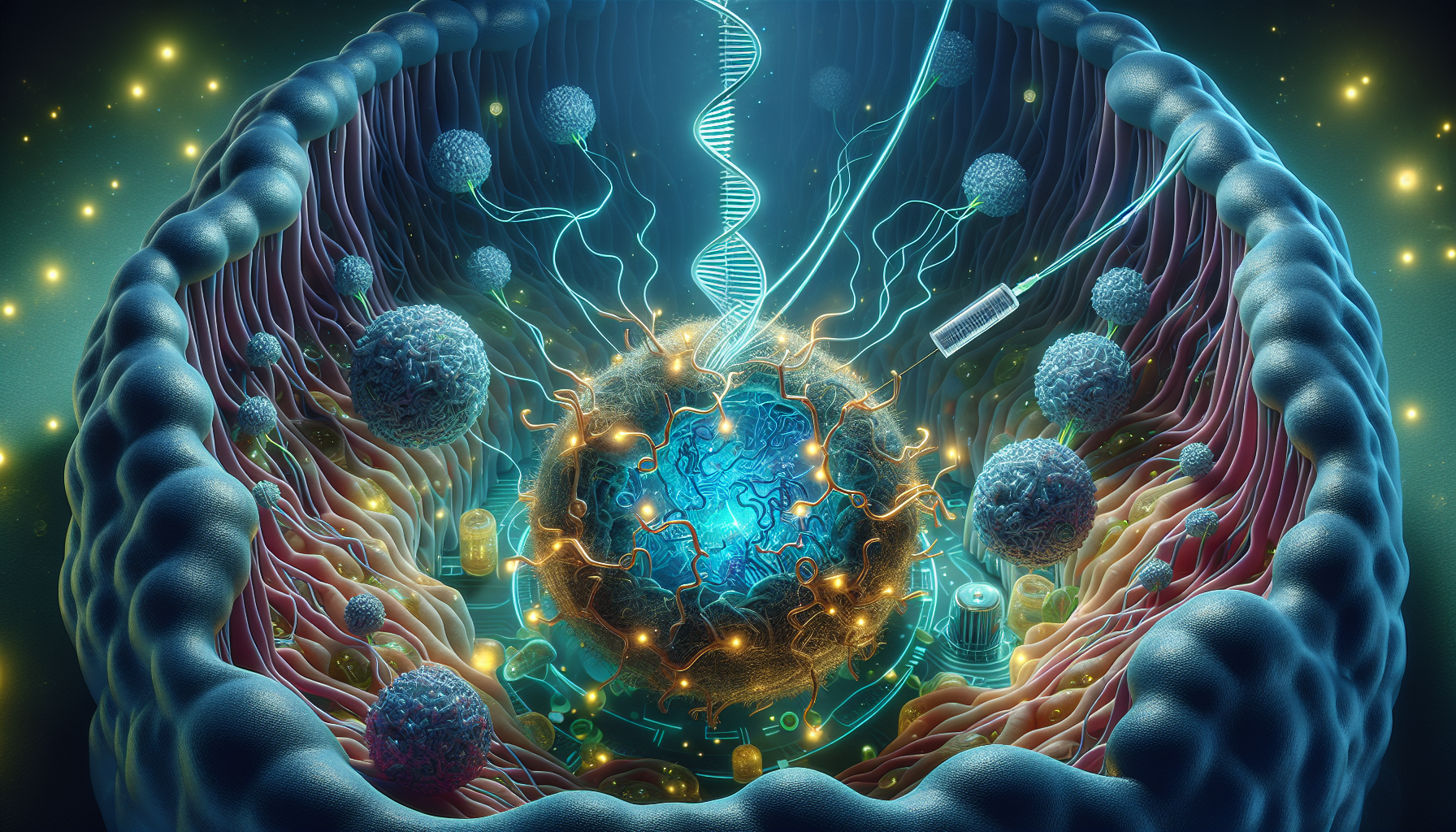
Scientists have engineered a molecular Trojan horse that tricks the deadliest brain tumors into activating their own destruction. This breakthrough could transform how we treat glioblastoma, a cancer that kills most patients within 15 months.
Listen to This Article
AI-generated discussion • ~6 min
Imagine sneaking past enemy lines by wearing their uniform. That's essentially what researchers at the University of Edinburgh and University College London have achieved in the fight against glioblastoma, the brain cancer that claims most lives within 15 months of diagnosis.
Their secret weapon? Synthetic super-enhancers that masquerade as the tumor's own genetic machinery, then activate a deadly payload once inside cancer cells.
The Problem with Brain Cancer
Glioblastoma represents one of medicine's greatest challenges. Unlike other cancers, these tumors contain glioblastoma stem cells that hide throughout the brain like seeds scattered in soil. Surgery can remove the visible tumor, and radiation plus chemotherapy can shrink what remains, but these resilient stem cells inevitably regrow the cancer.
Think of it like trying to eliminate dandelions from your lawn. You can mow them down and spray herbicide, but unless you get every single root, they'll pop up again somewhere else. The challenge is that any treatment powerful enough to kill these stem cells would also destroy healthy brain tissue.
The Breakthrough: Molecular Disguise
The research team, led by scientists including Ute Koeber and colleagues, solved this problem by creating synthetic super-enhancers, think of them as molecular ID badges that only work in cancer cells. These engineered DNA sequences recognize and bind to transcription factors called SOX2 and SOX9, which are highly active in glioblastoma stem cells but not in healthy brain cells.
It's like creating a key that only opens the locks on cancer cell doors while leaving healthy cell doors securely shut. Once inside, the super-enhancer activates two therapeutic weapons simultaneously.
The Double-Barreled Attack
The researchers loaded their molecular Trojan horse with a devastating one-two punch. The first weapon is HSV-TK suicide gene, which makes cancer cells extremely sensitive to ganciclovir, a normally harmless antiviral drug. When patients receive ganciclovir after the gene therapy, it becomes toxic only to cells carrying the suicide gene.
The second weapon is IL-12 cytokine, which acts like a molecular alarm bell, alerting the immune system that there are cancer cells to destroy. This creates a sustained immune response that can hunt down any remaining cancer cells.
Delivering the Payload
The team packages their synthetic super-enhancers inside adeno-associated virus vectors, essentially hijacking a harmless virus to ferry the therapeutic genes directly into brain cells. It's like using the postal service to deliver a package, the virus naturally knows how to get inside cells.
Remarkable Results
In aggressive mouse models of glioblastoma, the results were nothing short of spectacular. Complete tumor eradication was achieved with a single treatment. Mice that would normally die within weeks instead survived indefinitely. Even more impressive, when researchers tried to re-establish tumors in these treated mice, the cancers couldn't take hold, suggesting the IL-12 component had created lasting immunological memory.
The Path Forward
This precision viral immunotherapy represents a paradigm shift in cancer treatment. Rather than using brute force approaches that damage healthy tissue, this method exploits the cancer's own biology against itself. Clinical trials are planned to begin in 2026, bringing hope to patients facing this devastating diagnosis.
The synthetic super-enhancer platform could potentially be adapted for other cancers by targeting different tumor-specific transcriptional programs, opening doors to personalized precision therapies across oncology.
Real-World Impact
Quick Takeaways
- Could transform treatment for glioblastoma, currently fatal within 15 months for most patients
- Demonstrates complete tumor eradication with single treatment in aggressive mouse models
- Creates lasting immune memory to prevent cancer recurrence
- Platform technology adaptable to other cancer types beyond brain tumors
- Clinical trials beginning in 2026 offer immediate hope for patients
This breakthrough represents a fundamental shift from conventional cancer therapies that rely on broadly toxic approaches to precision medicine that exploits tumor-specific vulnerabilities. For glioblastoma patients, who currently face a median survival of just 15 months, this could mean the difference between a death sentence and a cure.
The synthetic super-enhancer platform technology extends beyond glioblastoma, offering a blueprint for developing precision therapies for other cancers. By targeting different tumor-specific transcriptional networks, researchers could create customized treatments that selectively destroy various cancer types while preserving healthy tissue.
The approach also addresses one of cancer medicine's greatest challenges: preventing recurrence. The IL-12-induced immunological memory component suggests that successfully treated patients might be protected from future cancer development, transforming cancer from a recurring threat into a one-time battle that can be definitively won.
For Researchers & Scientists - Technical Section
The research team engineered synthetic super-enhancers by assembling validated enhancer DNA fragments targeting SOX2 and SOX9 transcriptional regulatory networks specifically active in glioblastoma stem cells. These synthetic regulatory elements were used to drive expression of a dual therapeutic payload consisting of HSV-TK suicide gene and IL-12 immunostimulatory cytokine, delivered via adeno-associated virus vectors in a single treatment protocol that achieved complete tumor eradication in aggressive mouse glioblastoma models.
Methodology & Approach
Methodology & Approach
The researchers designed synthetic super-enhancers by systematically combining validated enhancer DNA fragments that specifically recognize SOX2 and SOX9 transcriptional regulatory networks. These networks are highly active in glioblastoma stem cells but remain silent in healthy brain tissue, ensuring tumor-selective gene expression.
The therapeutic payload consists of two components: HSV-TK suicide gene that sensitizes cells to ganciclovir treatment, and IL-12 cytokine for immune system activation. This dual approach combines direct cytotoxic effects with immunotherapeutic benefits to achieve comprehensive tumor elimination.
Delivery was accomplished using adeno-associated virus vectors, which provide efficient gene transfer to brain tissue. The entire therapeutic system was designed as a single-treatment protocol, with the synthetic super-enhancers ensuring that therapeutic gene expression occurs exclusively within tumor cells while sparing healthy brain tissue.
Key Techniques & Methods
- Synthetic Super-Enhancer Design: Assembly of validated enhancer DNA fragments targeting tumor-specific transcription factors
- SOX2/SOX9 Network Targeting: Exploiting transcriptional regulatory networks active in glioblastoma stem cells
- HSV-TK Suicide Gene Therapy: Using herpes simplex virus thymidine kinase to sensitize cells to ganciclovir
- IL-12 Immunotherapy: Cytokine-mediated immune system activation for sustained anti-tumor response
- AAV Vector Delivery: Adeno-associated virus-mediated gene transfer to brain tissue
- Dual Payload Strategy: Combining direct cytotoxicity with immunotherapeutic approaches
Key Findings & Results
- Synthetic super-enhancers achieved tumor-selective gene expression in glioblastoma stem cells while remaining silent in healthy brain tissue
- Single treatment with dual HSV-TK/IL-12 payload resulted in complete tumor eradication in aggressive mouse models
- Treated mice survived indefinitely while untreated controls died within weeks
- IL-12 component induced long-term immunological memory preventing tumor recurrence upon rechallenge
- AAV-delivered synthetic super-enhancers demonstrated robust activity confined exclusively to tumor cells
- The approach successfully targeted treatment-resistant glioblastoma stem cells that drive tumor recurrence
Conclusions
The study demonstrates that synthetic super-enhancers can achieve exquisitely selective gene expression in glioblastoma stem cells, enabling curative precision viral immunotherapy through tumor-selective activation of dual therapeutic payloads. The combination of HSV-TK suicide gene therapy with IL-12 immunostimulation, delivered via AAV vectors under synthetic super-enhancer control, represents a paradigm shift toward precision medicine approaches that exploit tumor-specific transcriptional programs for therapeutic selectivity.
-- readers