The Diabetes Cure: Stem Cells Free Patients from Daily Insulin
For the first time in medical history, people with type 1 diabetes are living completely free from daily insulin injections thanks to a groundbreaking stem cell therapy. What once seemed impossible has become reality in a clinical trial that could transform millions of lives.
Listen to This Article
AI-generated discussion • ~6 min
Imagine never having to check your blood sugar again. Never counting carbohydrates. Never timing meals around insulin shots. For 10 out of 12 people in a revolutionary clinical trial, this dream has become reality thanks to a breakthrough stem cell therapy called zimislecel.
The Background: A Lifelong Burden
Type 1 diabetes occurs when the body's immune system destroys the islet cells in the pancreas that produce insulin. Think of these cells like tiny factories that normally monitor blood sugar and release just the right amount of insulin to keep everything balanced. When they're destroyed, people must manually manage this delicate process through multiple daily injections, constant monitoring, and careful meal planning.
The disease affects 8.9 million people worldwide, requiring them to become their own pancreas for life. Even with the best management, dangerous blood sugar swings can occur, leading to severe hypoglycemic events that can be life-threatening.
The Research: Growing New Factories
Scientists at Vertex Pharmaceuticals took an entirely different approach. Instead of trying to manage the disease, they decided to replace what was lost. They developed a way to grow fully functional insulin-producing cells from stem cells in the laboratory. It's like growing replacement parts for a broken machine.
The clinical trial enrolled 14 participants with type 1 diabetes. Twelve received the full dose of 0.8 billion cells, delivered directly into the portal vein, which acts like a highway system carrying the cells to the liver where they can set up shop and start producing insulin.
How It Works: Biological GPS
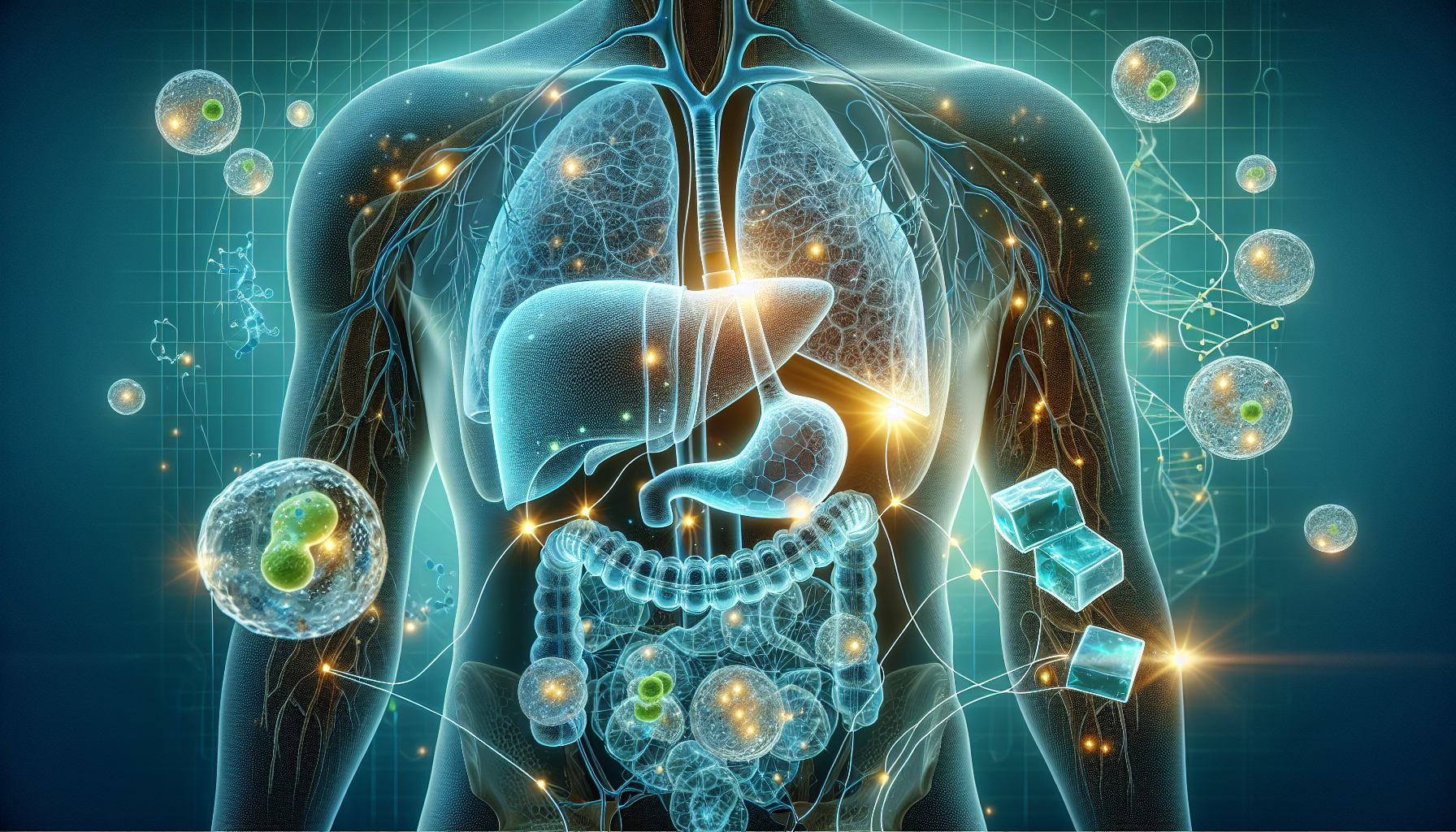
The process is remarkably elegant. The stem cell-derived islets are infused into the portal vein, where they travel to the liver and establish themselves like biological settlers finding new territory. Once there, they begin monitoring blood glucose levels and producing insulin just like natural islet cells would. Think of it as installing a biological thermostat that automatically adjusts insulin production based on real-time blood sugar readings.
However, there's a catch. Since these cells come from donors, patients must take immunosuppressive drugs to prevent their immune system from rejecting the new cells, similar to how organ transplant recipients need ongoing medication.
The Results: Beyond Expectations
The results were nothing short of remarkable. All 12 participants who received the full dose showed successful engraftment, meaning the new cells took hold and began producing insulin. This was confirmed by detecting C-peptide in their blood, like finding exhaust from a car engine that proves it's running.
Every single participant achieved the clinical gold standard: HbA1c levels below 7%, spent more than 70% of their time in the healthy blood glucose range of 70-180 mg/dL, and experienced zero severe hypoglycemic events. Most remarkably, 10 out of 12 participants (83%) achieved complete insulin independence at one year, meaning they no longer needed any daily insulin injections.
The Significance: A Paradigm Shift
This research represents a fundamental shift in how we think about type 1 diabetes treatment. Instead of managing the disease with daily injections for life, we're now looking at the possibility of a one-time cellular therapy that could provide a functional cure. It's the difference between manually steering a car for your entire journey versus installing an autopilot system that handles the driving for you.
While the therapy isn't without risks, particularly from the required immunosuppression, the potential to free millions of people from the constant burden of diabetes management represents one of the most significant advances in diabetes treatment in decades. For the 8.9 million people worldwide living with type 1 diabetes, this research offers genuine hope for a future where their condition becomes a distant memory rather than a daily struggle.
Real-World Impact
Quick Takeaways
- Could eliminate need for daily insulin injections in 8.9 million people worldwide with type 1 diabetes
- Reduces risk of dangerous hypoglycemic events that send thousands to emergency rooms annually
- Transforms diabetes from a lifelong daily management burden to a one-time treatment
- Opens door for similar stem cell therapies to replace other damaged organ functions
- Potentially saves healthcare systems billions in ongoing diabetes management costs
This breakthrough could fundamentally transform the lives of 8.9 million people worldwide living with type 1 diabetes. Beyond eliminating the need for daily insulin injections, the therapy addresses one of the most dangerous aspects of the disease: severe hypoglycemic events that can cause unconsciousness, seizures, or death. These medical emergencies result in hundreds of thousands of emergency room visits annually and create constant anxiety for patients and families.
The economic implications are equally profound. With diabetes management costs exceeding $300 billion annually in the United States alone, a one-time cellular therapy could dramatically reduce long-term healthcare expenditures while improving quality of life. The technology also establishes a platform for treating other conditions where specific cell types are damaged or destroyed, potentially opening new therapeutic avenues for diseases affecting the heart, brain, liver, and other organs.
Perhaps most importantly, this research offers hope for parents of children diagnosed with type 1 diabetes, who previously faced the reality of managing a complex, demanding condition for their child's entire life. The possibility of a functional cure represents a paradigm shift from disease management to disease resolution.
For Researchers & Scientists - Technical Section
This phase 1-2 clinical trial evaluated zimislecel, an allogeneic stem cell-derived, fully differentiated islet-cell therapy administered via portal vein infusion with glucocorticoid-free immunosuppression. Fourteen participants were enrolled, with 12 receiving the full therapeutic dose of 0.8 billion cells. The study employed standard diabetes monitoring protocols including C-peptide levels, continuous glucose monitoring, HbA1c measurements, and hypoglycemic event tracking to assess therapeutic efficacy and safety outcomes.
Methodology & Approach
Methodology & Approach
The study utilized a dose-escalation design typical of early-phase cellular therapy trials. Zimislecel cells were manufactured from allogeneic stem cells using proprietary differentiation protocols to generate fully mature, glucose-responsive islet cells. The portal vein delivery method was selected to optimize cell engraftment in the hepatic microenvironment, leveraging the liver's dual blood supply and regenerative capacity.
Participants received concurrent immunosuppressive therapy excluding glucocorticoids to prevent allograft rejection while minimizing metabolic interference with glucose homeostasis. The study incorporated comprehensive safety monitoring given the known risks associated with both portal vein infusion and chronic immunosuppression in this patient population.
Key Techniques & Methods
- Stem Cell Differentiation: Converting pluripotent stem cells into functional insulin-producing islet cells using controlled laboratory conditions
- Portal Vein Infusion: Delivering therapeutic cells directly to the liver through the portal circulation system
- C-peptide Monitoring: Measuring a protein co-released with insulin to confirm successful cell engraftment and function
- Continuous Glucose Monitoring: Real-time tracking of blood glucose levels to assess metabolic control
- Glucocorticoid-free Immunosuppression: Preventing immune rejection while avoiding steroids that interfere with glucose metabolism
- Allogeneic Cell Therapy: Using donor-derived cells that can be manufactured at scale for multiple recipients
Key Findings & Results
- 100% of full-dose participants (12/12) achieved successful cell engraftment with detectable C-peptide production
- 83% of participants (10/12) achieved insulin independence at 365 days post-treatment
- All participants achieved HbA1c levels below 7%, the clinical target for diabetes management
- Zero severe hypoglycemic events occurred in any of the 12 full-dose participants
- Participants spent more than 70% of time in target glucose range (70-180 mg/dL)
- Neutropenia was the most common serious adverse event, occurring in 3 participants
Conclusions
The trial demonstrates that allogeneic stem cell-derived islet cells can successfully engraft and restore physiologic insulin production in individuals with type 1 diabetes. The high rate of insulin independence (83%) combined with excellent glycemic control and absence of severe hypoglycemia suggests zimislecel could represent a paradigm shift from chronic disease management to functional cure. However, the safety profile of chronic immunosuppression, including two deaths from immunosuppression-related complications, requires careful risk-benefit analysis and patient selection criteria for future clinical development.
-- readers